
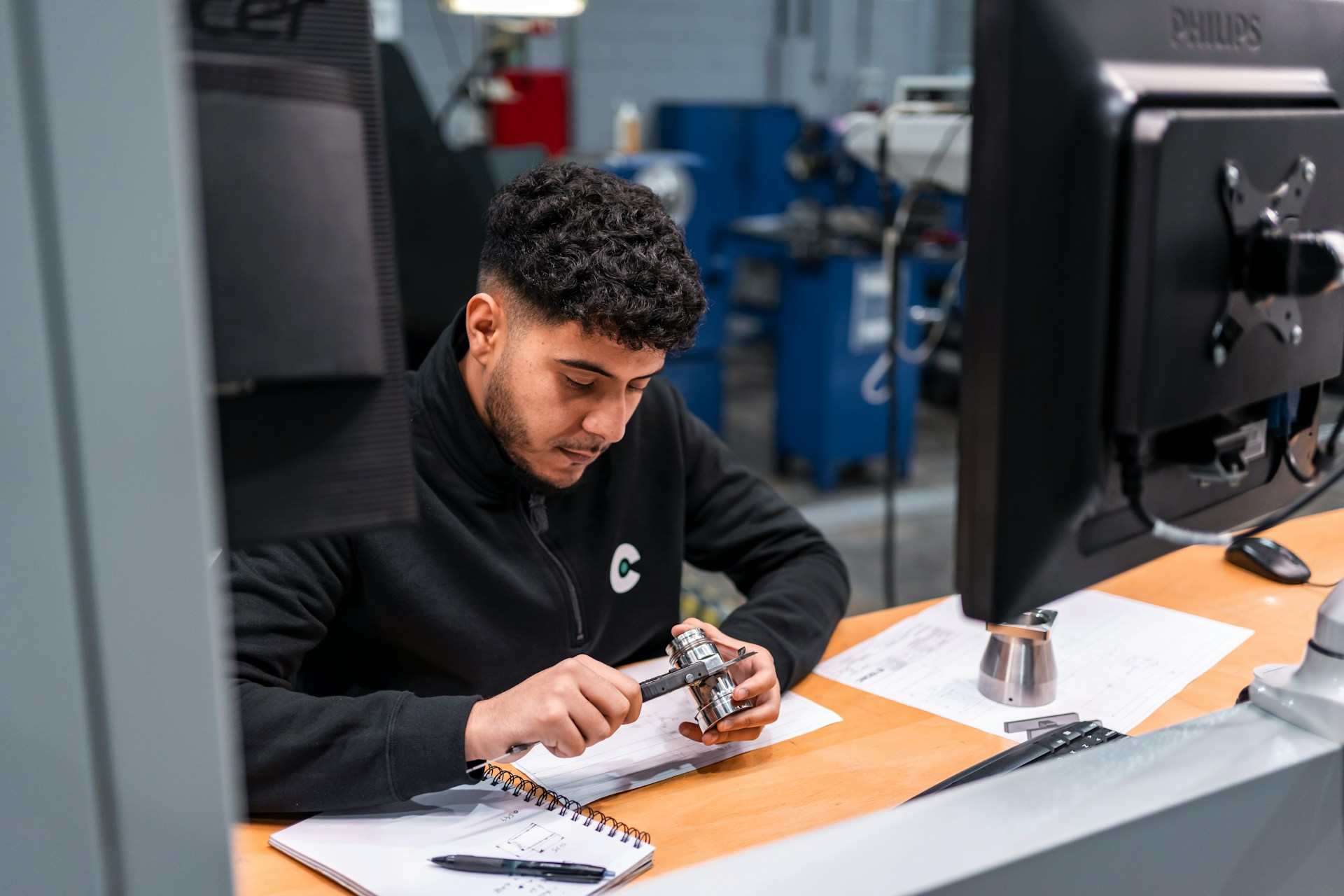
For manufacturers and suppliers, a fourth-quarter award can come with a requirement that surprises newcomers: before you deliver the full order, the government wants to test a sample and approve it. In other cases, a product cannot be offered at all unless it has already been qualified. These two mechanisms, first article testing and qualification requirements, protect the government from buying items that fail in use. They also shape schedules and costs in ways a supplier must plan for before quoting.
What first article testing is
First article testing is the testing and evaluation of a preproduction model, initial production sample or test lot to ensure that the contractor can furnish a product that conforms to the contract’s requirements. FAR Subpart 9.3 describes when it may be appropriate, such as when the contractor has not previously furnished the product to the government, when processes or specifications have changed, when production has been discontinued for an extended period, when a product supplied earlier developed problems, or when an approved first article is needed to serve as a manufacturing standard.
The contract states who conducts the testing. When the contractor tests, it performs the tests itself or through a qualified laboratory and submits the results for government review. When the government tests, the contractor delivers the first article for evaluation. Either way, the contract sets the time allowed for testing and approval.
How it affects your schedule and price
A typical sequence is to build and test the first article, submit it with the required report, wait for the government’s decision and then begin production. If the first article fails, the contractor may have to make corrections and resubmit, which consumes time the delivery schedule may not have. Contractors may sometimes acquire materials or begin production before approval, but those costs are generally at the contractor’s risk if approval is not obtained.
When you quote, account for the cost of building and testing the first article and the time approval will take. Solicitations sometimes ask offerors to quote prices both with and without first article testing, because the requirement can be waived for firms that have previously delivered acceptable items of the same kind. If you have a history of approved first articles for the product, say so and provide the documentation.
Qualification requirements
Qualification requirements are different. Some products must be tested and approved before an offer can even be considered, and the approved items appear on a qualified products list, or the approved manufacturers on a qualified manufacturers list. Some requirements apply to qualified bidders. FAR Subpart 9.2 governs these lists and requires agencies to give potential sources an opportunity to demonstrate their ability to meet the standards. For defense items, qualification information is commonly found in the specification itself and in the department’s database of specifications and standards.
Getting qualified can take a long time and is often not tied to any specific solicitation. A firm that wants to sell a qualified item should start the process well ahead of the contracts it hopes to win.
Practical steps for suppliers
- Check every solicitation for first article and qualification requirements before deciding to quote.
- Know which tests apply, who performs them and how long approval takes, and build that into your delivery commitments.
- Keep complete records of prior first article approvals and qualifications, since they can support waivers.
- Talk with your test laboratory early, especially in summer, when capacity may be tight.
The FAR’s rules are in Subparts 9.2 and 9.3 at acquisition.gov, and solicitations on sam.gov identify the specific requirements for each item.