
Tag: products
-

Fourth-quarter product orders often carry tight delivery dates. Here is how to quote lead times honestly, what to do when a backorder hits and why substitutions need written approval.
-

Fourth-quarter product orders often come with exacting delivery instructions. Here is how FOB terms, packaging and marking rules, receiving reports and delivery appointments work for federal shipments.
-

Some contracts require a sample to be tested and approved before production, and some items can be bought only from pre-qualified sources. Here is how first article testing and qualification requirements work.
-
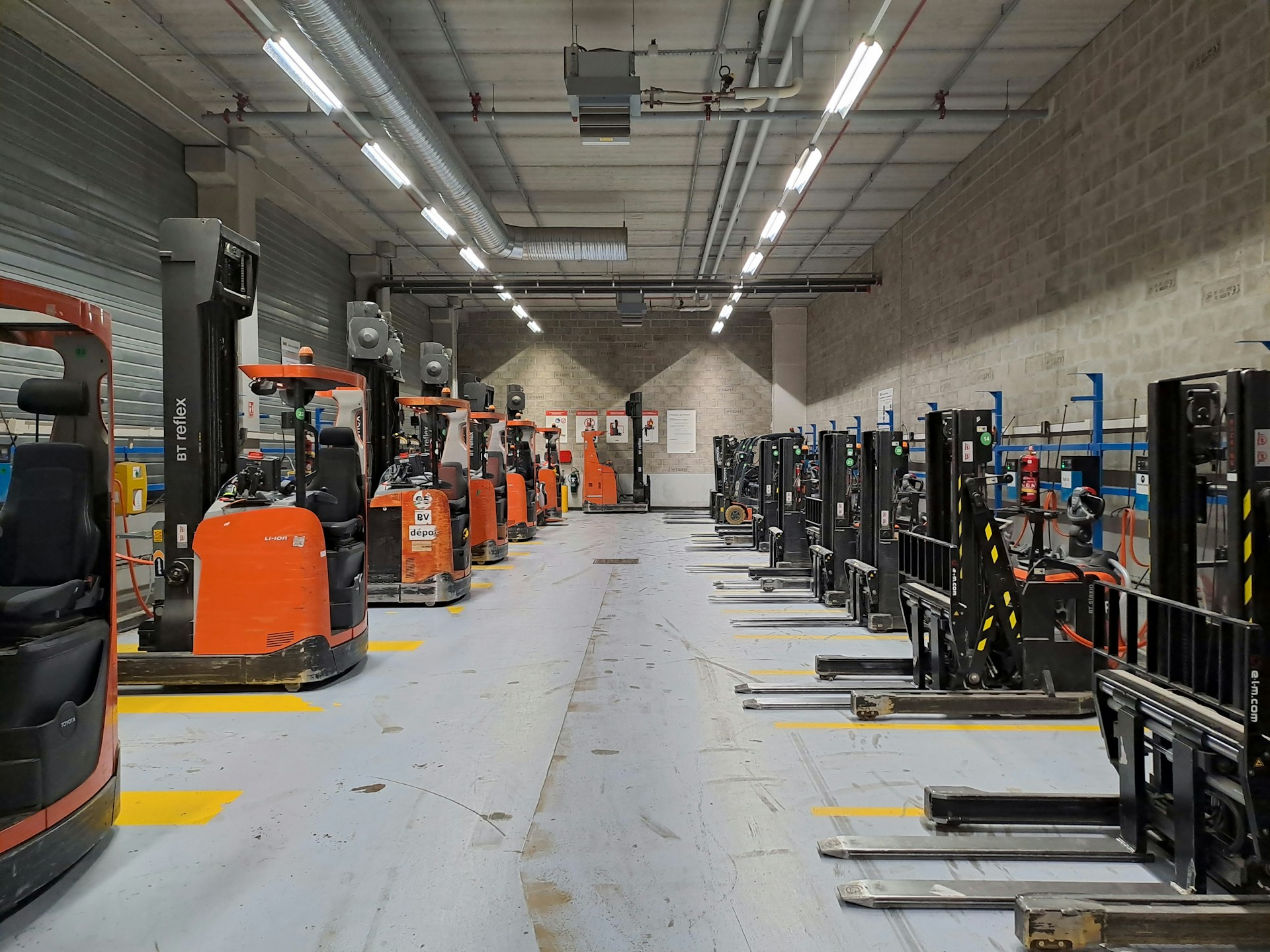
The Defense Logistics Agency manages much of the military’s supply chain, from fuel and food to spare parts. Here is how the agency is organized and how small suppliers typically do business with it.
-

A thirteen-digit National Stock Number identifies an item of supply across the federal logistics system. Here is how NSNs are built, where they come from and why product sellers should understand them.
-
Where a product was made can decide whether the government can buy it. Here is a plain-language look at the Buy American Act, the Trade Agreements Act and the questions product sellers should be ready to answer.
-
A brand name or equal solicitation lets you offer a different product if it meets the salient characteristics. Here is how those requirements work and how to document an equal offer.
-

Can a small reseller win a set-aside by supplying another company’s product? The SBA’s nonmanufacturer rule answers that question, and knowing it decides which supply contracts you can pursue.