
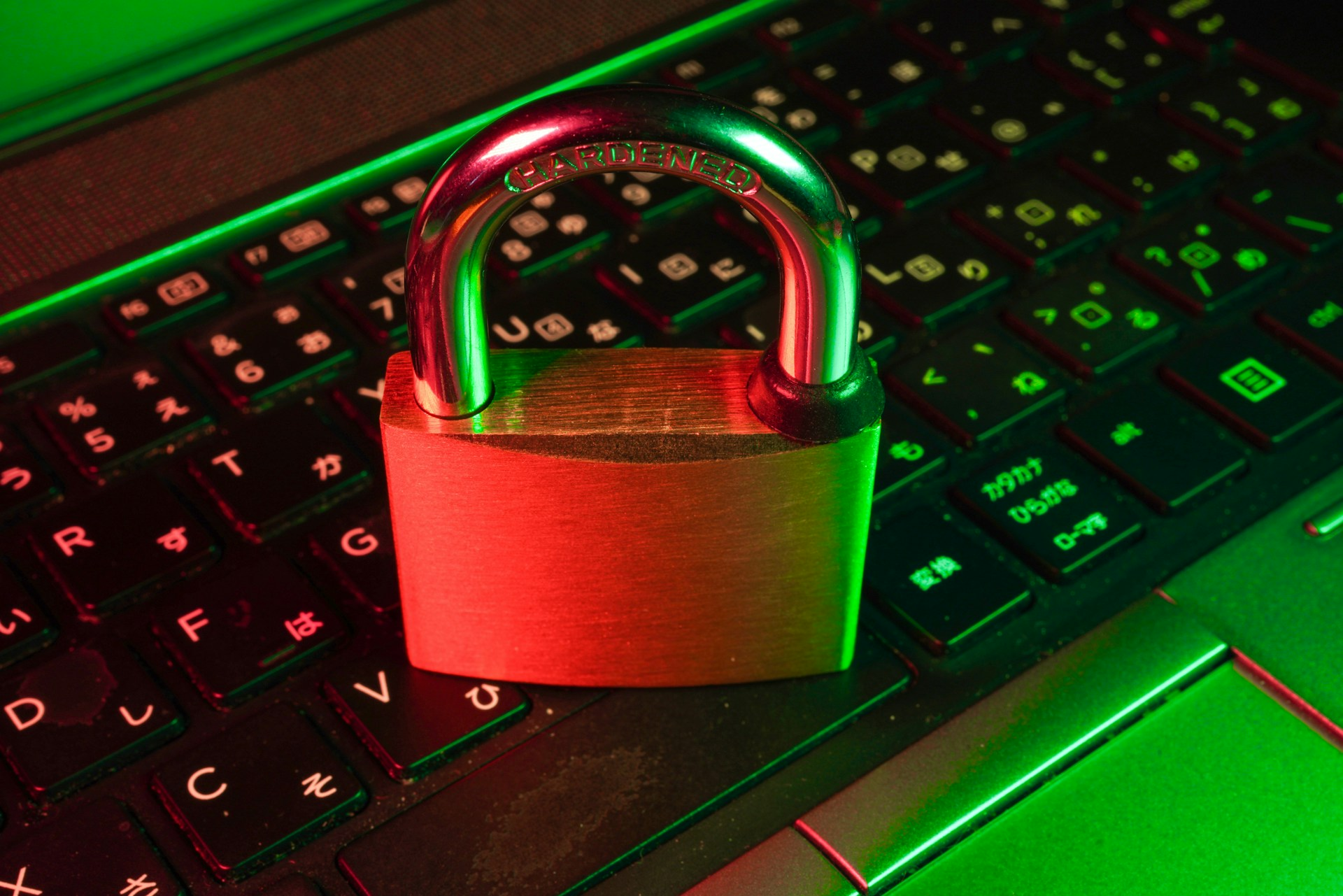
The fourth quarter brings a flood of legitimate requests for quotation, many with short deadlines. That same urgency makes it a good season for impostors. Federal agencies and inspectors general have long warned vendors about schemes in which criminals pose as government buyers, send convincing requests or purchase orders, and arrange for valuable goods to be shipped on credit to addresses they control. Other schemes target new registrants with official-looking demands for fees. A few verification habits, adopted before the summer rush, can save a small firm from a painful loss.
How the schemes usually work
Patterns vary, but several themes recur:
- Fake requests for quotation. An email that appears to come from a federal contracting office asks for a quote on high-value, easily resold items such as laptops, networking equipment, storage devices or pharmaceuticals.
- Purchase orders with credit terms. After a quote, the vendor receives a purchase order that looks authentic, often with agency logos and signatures, asking for shipment on net-30 terms.
- Unusual delivery addresses. The goods are to be shipped to a warehouse, a freight forwarder or a residential address rather than a government facility, sometimes with a story about a temporary receiving site.
- Registration and fee scams. Firms receive letters or emails styled to look official, implying they must pay to register or renew in SAM.gov or to stay eligible for awards. Registration in SAM.gov is free.
Red flags to watch for
- Email addresses that resemble an agency’s but are not on a .gov or .mil domain, or that use a free email service
- A request you cannot find in SAM.gov, GSA eBuy or another official system, or that does not match a known contracting office
- Urgency that discourages verification, such as a warning that the order will be cancelled if you call
- Delivery addresses that are not government facilities, or a request to change the address after the order is placed
- Requests for unusually large quantities of commodity electronics from a buyer you have never worked with
- Instructions to send payment, fees or banking details to unfamiliar parties
Verify through channels you control
The most effective defense is independent verification. Look up the contracting office’s phone number on the agency’s official website, not in the email, and call to confirm that the person and the order are real. Search for the solicitation on sam.gov or in the system it claims to come from. Confirm that the shipping address is a government facility. For larger orders, wait to ship until you have verified the contract or order number with the contracting office.
Protect your own systems too. Impostors sometimes compromise a vendor’s or a buyer’s email account and send altered payment instructions. Confirm any change to banking details by phone using a known number, and turn on multifactor authentication for your email and other business systems.
If you suspect fraud
Do not ship. Report the attempt to the agency the scammer impersonated, typically through its office of inspector general, which handles fraud complaints. If goods have already shipped, contact the carrier immediately to try to stop delivery, and report the loss to law enforcement. Share what you learned with your staff, since the same scheme may reach several people at your firm.
None of this should make you suspicious of every real request; most federal buyers are exactly who they say they are. Verification simply becomes part of your routine, as ordinary as checking a due date. SAM.gov and the Federal Service Desk publish guidance on registration scams, and many inspector general websites describe impersonation schemes they have seen.