
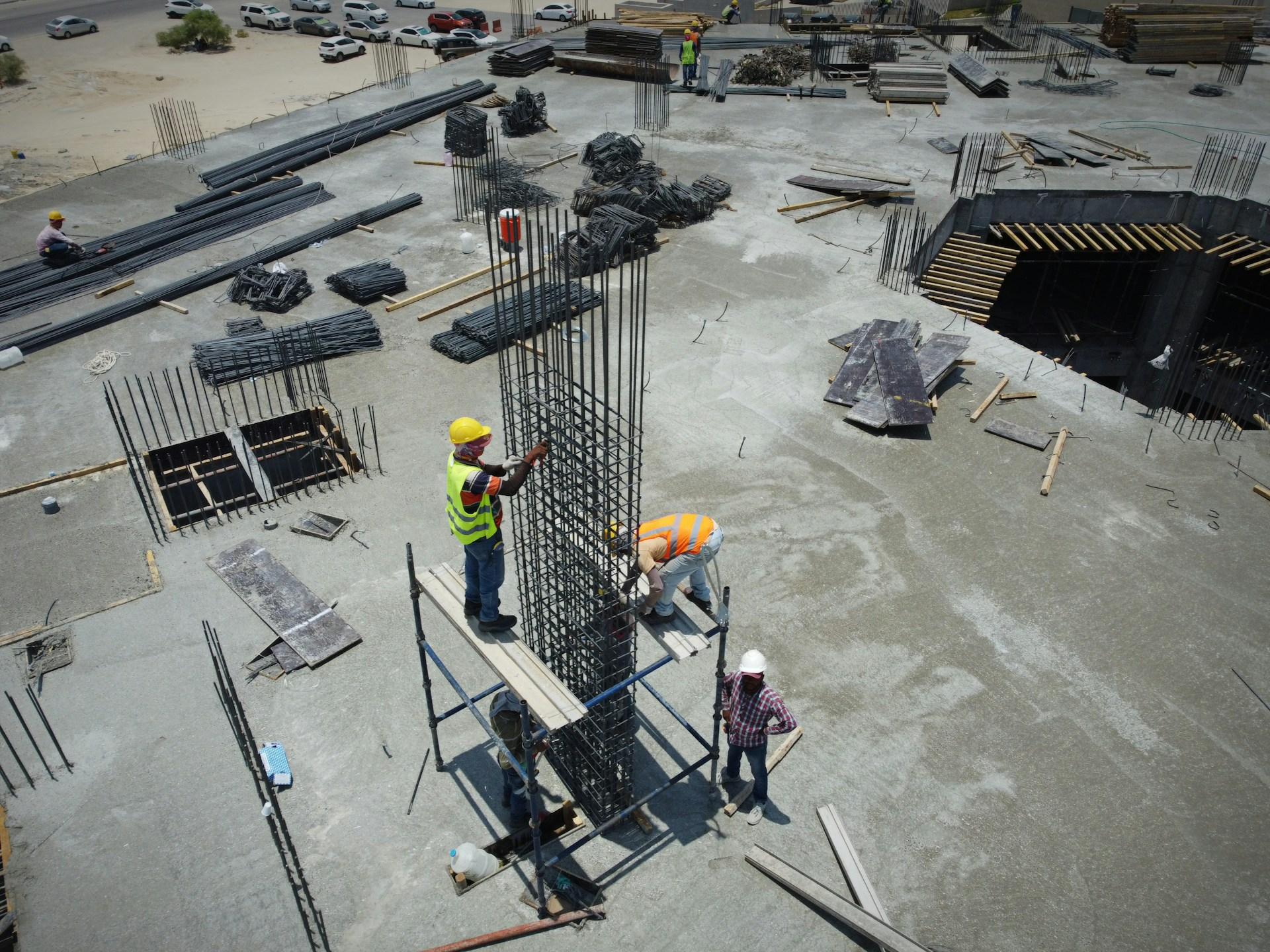
Summer is construction season on many federal installations and properties, and the fourth quarter often brings awards for repair, renovation and construction projects. Nearly all of them carry prevailing wage requirements under the Davis-Bacon Act. For contractors new to federal construction, those requirements can be the most unfamiliar part of the job, and mistakes can be costly. Here are the basics.
A Depression-era law
The Davis-Bacon Act was enacted in 1931 and named for Senator James Davis and Representative Robert Bacon. As federal building programs expanded and unemployment rose, Congress wanted to keep contractors from winning federal construction work by bringing in low-wage labor and undercutting local wage standards. The Act requires that laborers and mechanics on covered federal construction contracts be paid no less than the wages and fringe benefits prevailing locally for similar work. Congress later attached similar requirements to many federally assisted construction programs through what are known as the Related Acts.
What the Act covers
In general terms, the Act applies to federal contracts above a modest dollar threshold for the construction, alteration or repair, including painting and decorating, of public buildings and public works. It covers laborers and mechanics employed on the site of the work, including those employed by subcontractors. Determining coverage can involve judgment, especially on contracts that mix services and construction, so read the contract and ask the contracting officer if it is unclear.
Wage determinations
The Department of Labor issues wage determinations listing the minimum hourly wage rates and fringe benefits for classifications of laborers and mechanics in a given locality and type of construction, such as building, residential, heavy or highway. The applicable determination is included in the solicitation and contract, and wage determinations are available on sam.gov. If the contract does not include a classification you need, there is a process for adding one through the contracting officer and the Department of Labor.
Fringe benefit obligations can be met by providing bona fide benefits, by paying the equivalent in cash, or through a combination. Overtime rules under other labor laws continue to apply.
Certified payrolls and compliance
Contractors and subcontractors on covered contracts generally must submit weekly certified payrolls showing each worker’s classification, hours, rates and deductions, along with a signed statement of compliance. The Department of Labor publishes an optional form that many contractors use. Other common requirements include posting the wage determination and a required notice at the site, keeping payroll records for a set period and allowing agency representatives to interview workers. Prime contractors are responsible for their subcontractors’ compliance, which makes subcontractor payroll review part of managing the job.
Pricing and practical advice
- Price your bid using the wage determination in the solicitation, not your usual commercial rates.
- Classify workers by the work they actually perform; misclassification is a common source of back wages.
- Set up payroll processes before work starts, so the first certified payroll is not a scramble.
- Flow the requirements down to every subcontractor and collect their payrolls on schedule.
- Watch for wage determination updates issued through amendments before award.
Violations can lead to withholding of contract payments, back wages and, in serious cases, debarment. The Department of Labor’s Wage and Hour Division provides guidance and compliance assistance, and the FAR’s construction labor standards are in Part 22 at acquisition.gov. Talk to a professional familiar with prevailing wage compliance if you are unsure how the rules apply to your project.