
Tag: construction
-
Federal construction has its own rules: bonding, Davis-Bacon and more.
-
Site visits let offerors see the conditions behind a construction or facilities solicitation before pricing it. Here is how to prepare, what to look for and how to handle what you learn.
-
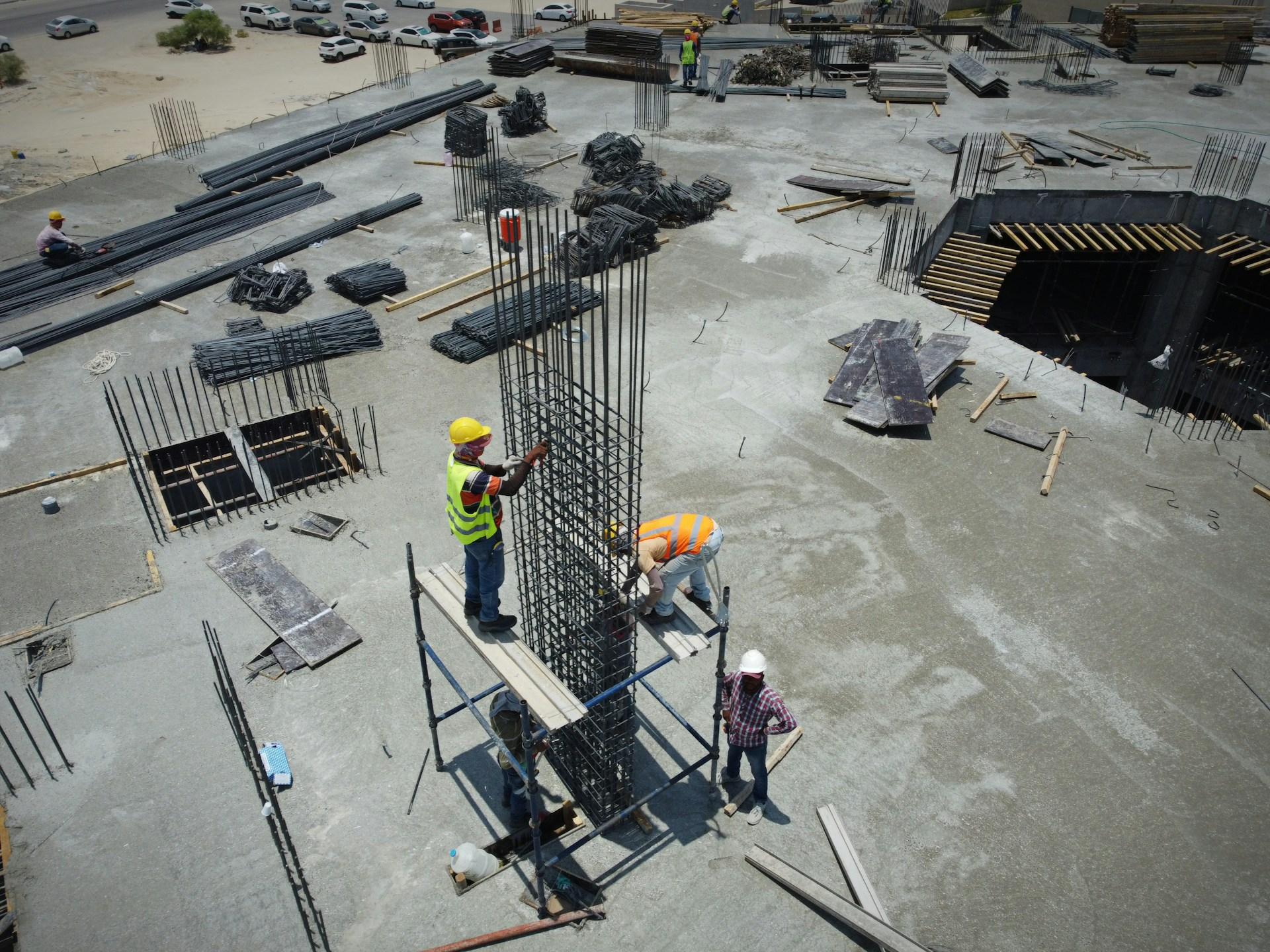
Federal construction contracts require contractors to pay laborers and mechanics at least locally prevailing wages. Here is how the Davis-Bacon Act works, from wage determinations to certified payrolls.
-

Some federal contracts set a fixed daily amount the contractor owes for late completion. Here is how liquidated damages work, why they are not supposed to be penalties and how excusable delays fit in.
-
Since 1972, federal agencies have selected architects and engineers on qualifications first and negotiated price second. Here is how the Brooks Act process works for firms pursuing federal design work.
-
Two-phase design-build selection lets agencies narrow the field on qualifications before asking finalists for full proposals. Here is how each phase works and how teams can prepare.
-
Construction and service firms that cannot get bonded on standard terms may qualify for SBA’s surety bond guarantees. Here are answers to the questions small contractors most often ask about the program.
-
Federal property cannot be liened, so the Miller Act requires construction primes to post performance and payment bonds. Here is how the three bonds work, who must furnish them and how claims are made.