
Tag: small business
-
Agencies want proof you have done similar work. How small firms build it from the ground up.
-

GSA Schedules are open to firms of every size, but ordering activities can set aside individual orders for small businesses. Here is how schedule set-asides work in general terms.
-
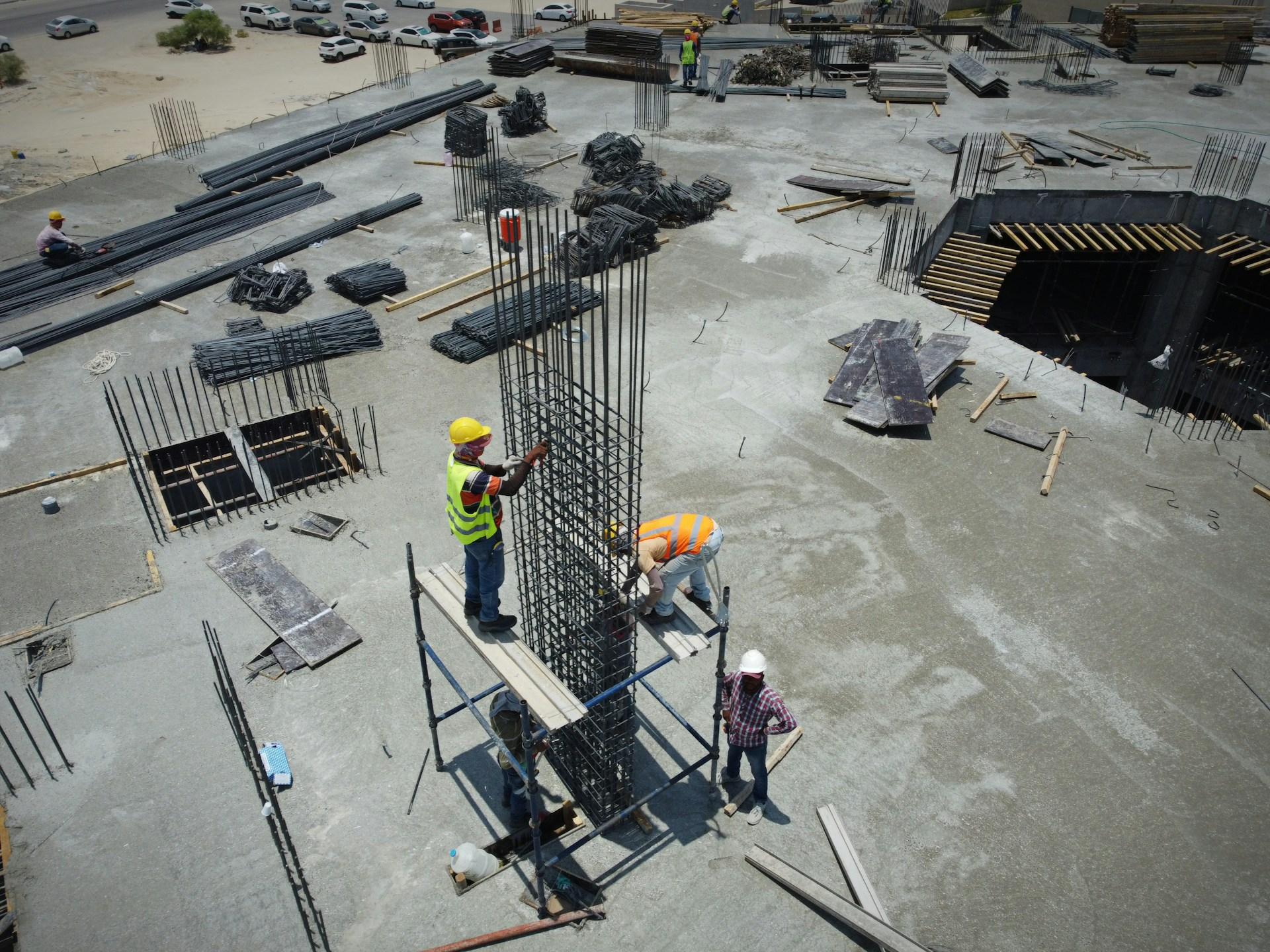
In full and open competitions, HUBZone firms can benefit from a price evaluation preference that adds a factor to certain competing offers. Here is how it works and when it does not apply.
-

When several small-business programs could fit a requirement, the FAR says none outranks the others. Here is how parity works and what shapes a contracting officer’s choice.
-
The four main SBA small-business programs differ in who qualifies, how long status lasts and what contracting tools they offer. Here is a general side-by-side comparison.
-

Growth is the goal, but crossing a size standard changes which contracts a firm can pursue. Here is how to project the date, what happens to existing contracts and how to plan the transition.
-
Military installations buy a steady stream of services, supplies, repairs and construction through their own contracting offices. Here is how base-level buying is organized and how small firms can approach it.
-
Federal buying happens in regional offices, military installations and field sites across the country. Here are common myths about location and what actually matters to contracting officers.
-
Presidents have proclaimed National Small Business Week every year since 1963. Here is how the tradition grew and how federal contractors can put the week’s attention to practical use.
-
Large businesses winning larger federal contracts must commit to small business subcontracting goals and report on them. For small firms, those plans are one of the most reliable doors into federal work.