Tag: pricing
-

Agencies evaluate whether a price is realistic for the work. How to price to win and perform.
-

The type of contract shapes risk, pricing and administration. A plain guide to the main families.
-

Profit is part of every federal price, but the government views it differently depending on contract type and how the price is evaluated. Here is a general guide to profit and fee.
-
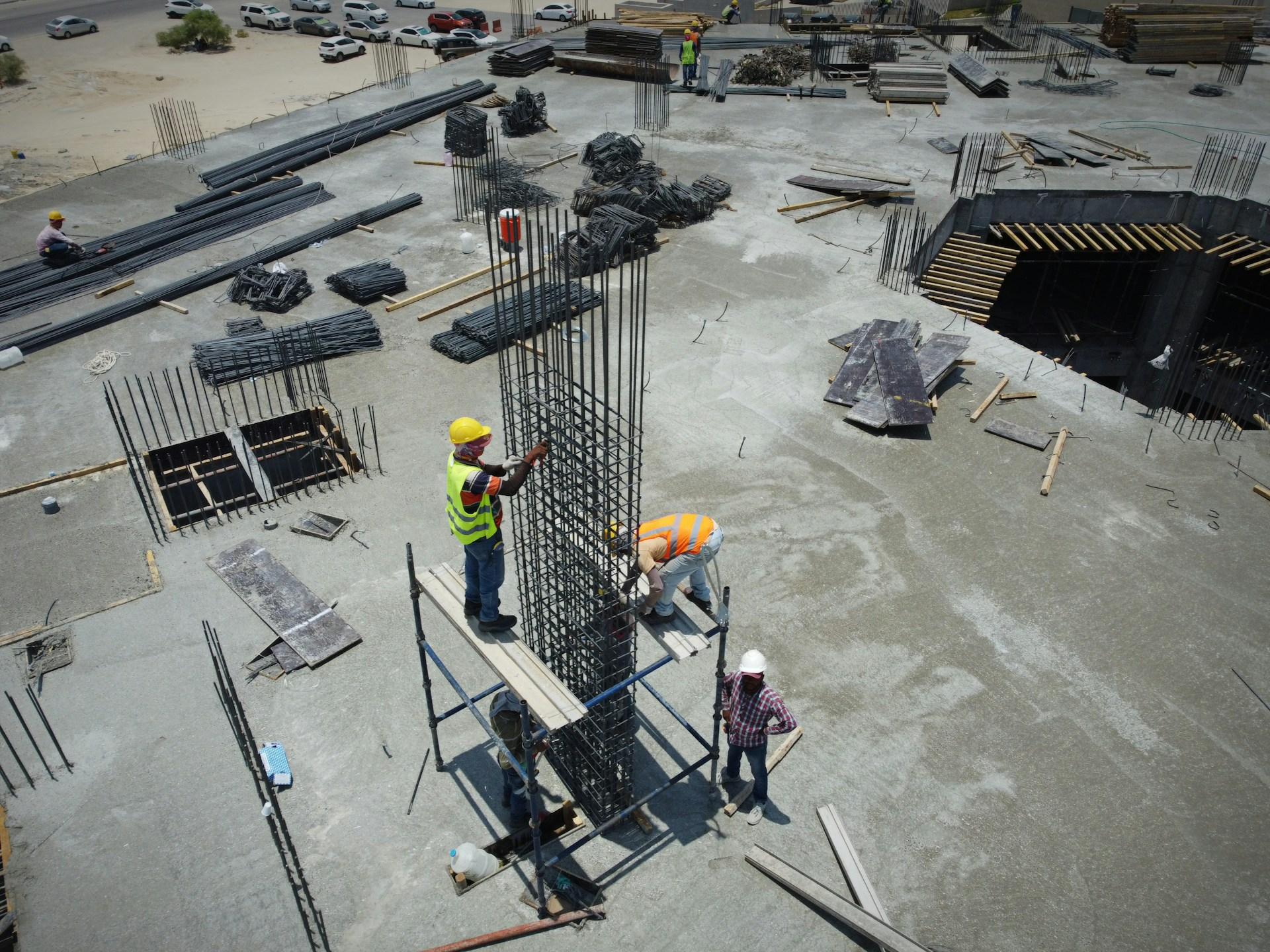
In full and open competitions, HUBZone firms can benefit from a price evaluation preference that adds a factor to certain competing offers. Here is how it works and when it does not apply.
-

Some negotiated awards require contractors to submit and certify their cost or pricing data. Here is what the requirement means, when the main exceptions apply and why accuracy matters.
-

A competitive total price can still be rejected if individual line items are significantly overstated or understated. Here is what unbalanced pricing means and how to avoid it.
-

Schedule prices are ceilings, and buyers often ask for more. Here is how price reductions on individual GSA Schedule orders work, when agencies must seek them and how to offer one carefully.
-

Before awarding, a contracting officer must find your price fair and reasonable. Here are the price analysis techniques the FAR describes and how to make your price easy to support.
-

Contract line items define what the government is buying, how it is priced and how it is paid. Here is how CLINs and subline items work and why they matter from proposal through invoicing.