
Tag: defense
-
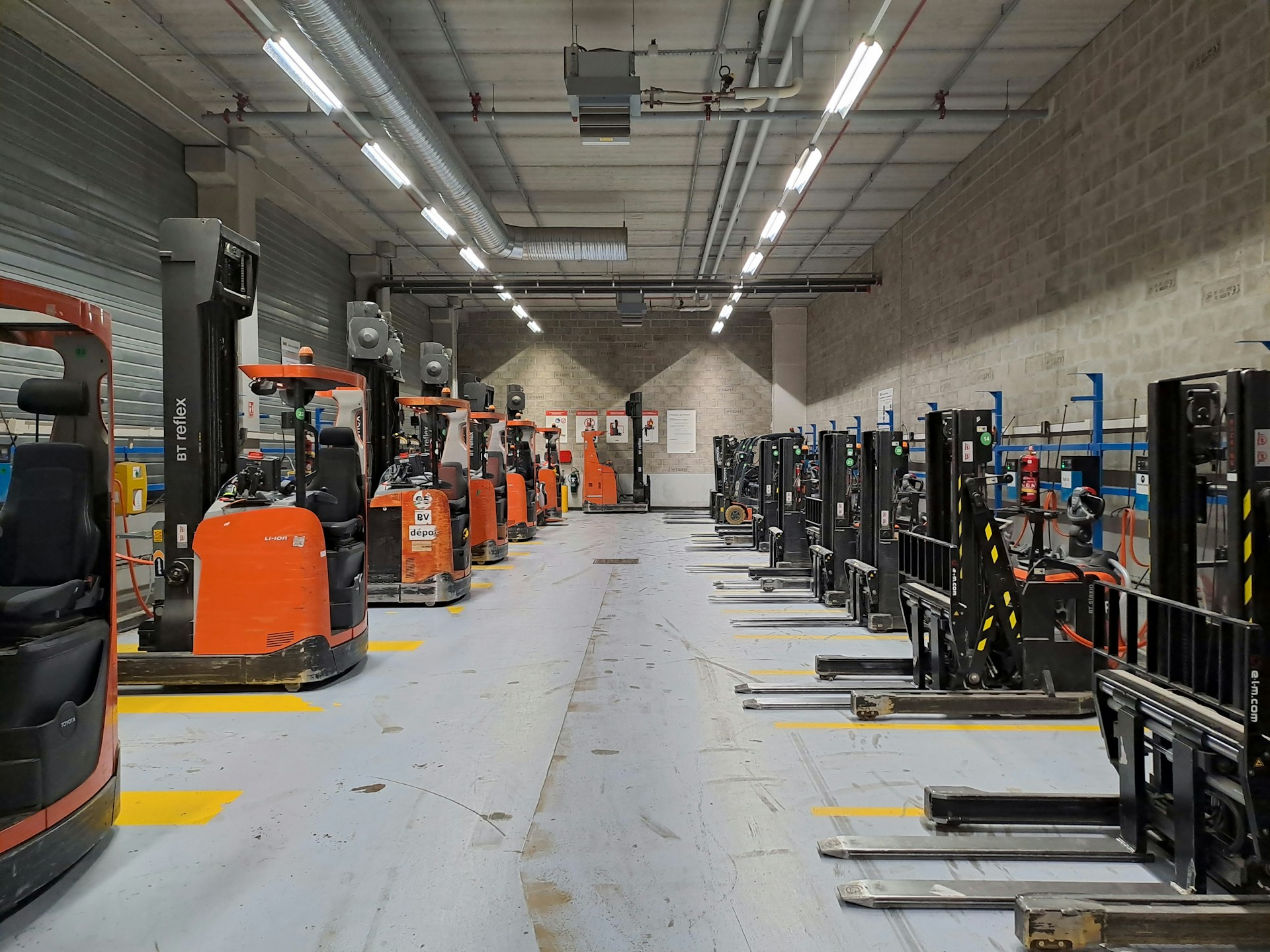
The Defense Logistics Agency manages much of the military’s supply chain, from fuel and food to spare parts. Here is how the agency is organized and how small suppliers typically do business with it.
-
Classified contracts require a cleared company as well as cleared people. Here are plain answers about sponsorship, key management personnel, foreign ownership reviews and how long the process can take.
-
Military installations buy a steady stream of services, supplies, repairs and construction through their own contracting offices. Here is how base-level buying is organized and how small firms can approach it.
-

Congress has passed a defense authorization act every year for more than six decades. Its acquisition provisions often reshape the rules contractors work under, which is why summer markups deserve attention.
-
Several agencies can fund research and prototype projects through agreements that are not FAR contracts. OTAs offer flexibility and speed, with their own conditions and trade-offs.
-

CMMC adds verification to the cybersecurity requirements many defense contractors already face. Here is a general overview of its levels and how to prepare.