
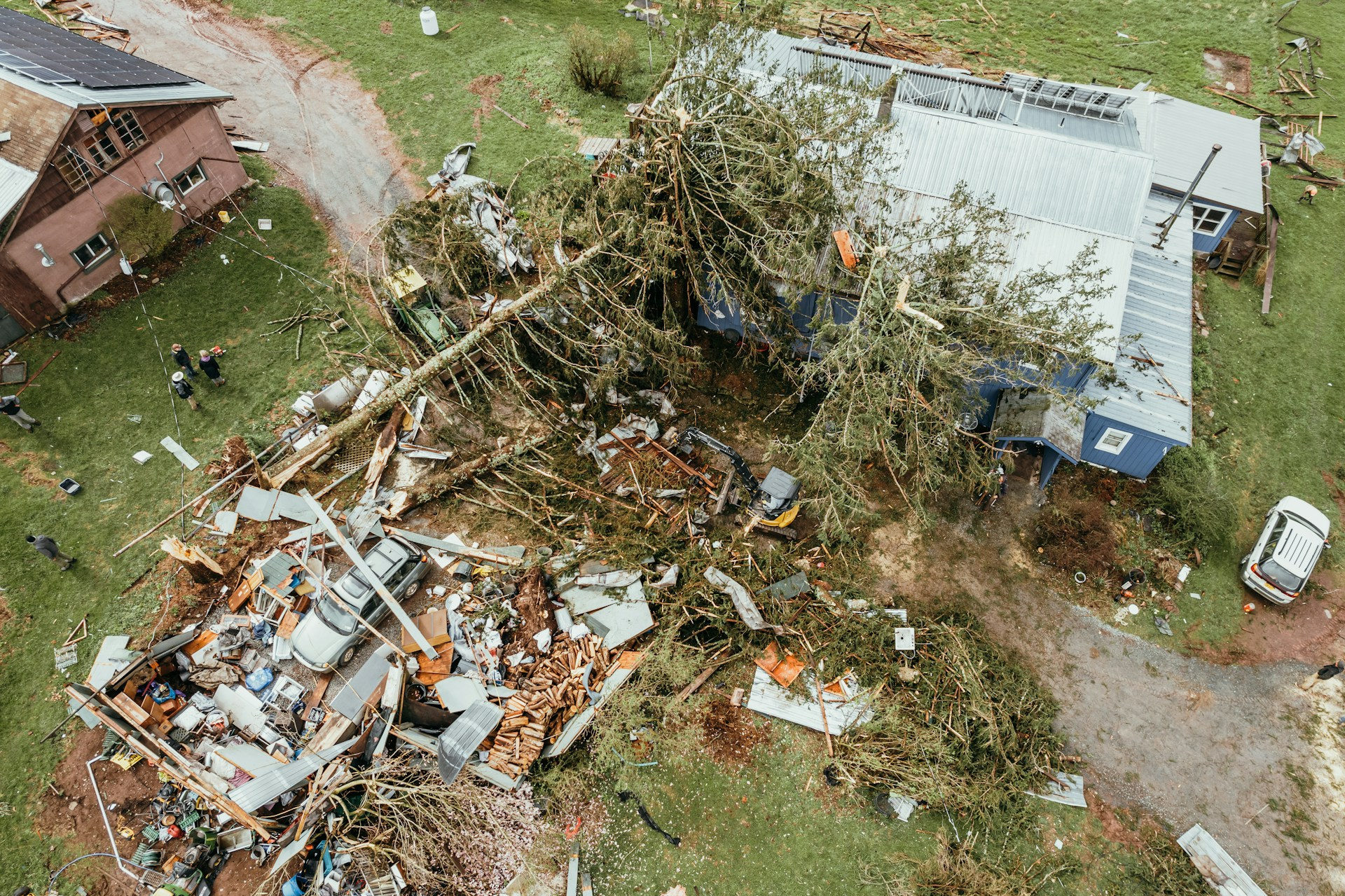
The Atlantic hurricane season begins June 1, and with it comes the possibility that federal agencies will need to buy quickly in communities affected by storms, floods or other disasters. Federal law gives firms located in a disaster area a preference for certain response and recovery work. For businesses in regions prone to hurricanes, wildfires, floods or tornadoes, understanding that preference and registering appropriately is sensible early-summer preparation.
Where the preference comes from
The Robert T. Stafford Disaster Relief and Emergency Assistance Act governs much of the federal response to presidentially declared emergencies and major disasters. One of its provisions directs that, when federal funds are spent by contract for debris clearance, distribution of supplies, reconstruction and other major disaster or emergency assistance activities, preference be given, to the extent feasible and practicable, to organizations, firms and individuals residing or doing business primarily in the affected area.
The FAR implements this provision in Subpart 26.2. Contracting officers may set aside acquisitions for local firms, often called a local area set-aside, and may combine a local area set-aside with a small business set-aside. The contracting officer defines the qualifying geographic area, generally based on the areas covered by the disaster declaration.
The Disaster Response Registry
SAM.gov includes a voluntary Disaster Response Registry. When registering or updating an entity registration, a firm can indicate that it is willing to provide debris removal, distribution of supplies, reconstruction or other disaster or emergency relief services, and identify the geographic areas where it can work. Contracting officers are directed to consult the registry when acquiring these kinds of services for disaster response, alongside their other market research.
Being in the registry does not guarantee work, and it does not replace the need to respond to solicitations. It does make your firm visible at the moment agencies are searching for capable local sources.
How to prepare before a storm
- Review your SAM.gov registration and decide whether to opt into the Disaster Response Registry, choosing service areas you can realistically support.
- Make sure your registration will stay active through the season, since an expired registration can delay an urgent award.
- Identify the services you could provide after a disaster and the equipment, staff, insurance and bonding they would require.
- Line up suppliers and subcontractors in advance, with written understandings about availability.
- Expect emergency work to involve wage requirements, safety rules and documentation obligations that may differ from your commercial work.
A word on emergency acquisitions
After a declared emergency, agencies may use special flexibilities, such as higher thresholds for certain purchases or streamlined procedures, which the FAR describes for emergency acquisitions. These flexibilities speed buying, but they do not relax the government’s expectations for fair prices and honest performance. Disaster periods also attract fraud, and agencies and inspectors general pay close attention to emergency spending.
Firms that want to help are most useful when they are ready before the need arises. Check current guidance on sam.gov and at acquisition.gov, and look for industry information from the agencies that lead disaster response in your region.